steel fabrication

Message from the Chair: Winter 2026

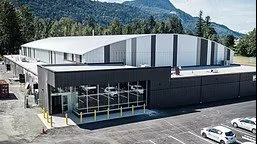
Metal building systems continue to represent a significant share of non-residential steel work across Alberta. Warehousing, light industrial, agricultural, and energy-support projects continue to rely on PEMB systems for speed to enclosure and structural efficiency.

Consistent Work, Tighter Schedules

PEMB demand in Alberta remains steady, particularly for industrial and logistics facilities in both urban and rural regions. Clear-span frames, increased eave heights, and heavier snow-load designs are common, driving larger lifts and more demanding crane planning.

Most PEMB projects are schedule-driven, with owners pushing for early enclosure. As a result, erection timelines are often compressed, leaving little margin for delivery issues or rework. Installers are expected to mobilize quickly and maintain productivity from first steel through roof completion.

Supply Chain and Delivery Coordination

Material timing remains one of the biggest challenges for erectors. Tariffs on certain imported systems have shifted more work toward domestic fabricators, which can stabilize pricing but also extend lead times. For installers, incomplete or staggered deliveries can disrupt erection sequencing and reduce efficiency.

Labour and Site Readiness

Skilled steel erection labour remains tight across much of Alberta. While PEMBs reduce overall site labour compared to conventional builds, experienced crews are still required to manage alignment, tolerance control, and safe lifting under tight schedules.

Anchor bolt accuracy, foundation elevation control, and reliable as-built information are increasingly important. Many installers report that poor site readiness remains a leading cause of erection delays.

Increasing Complexity in the Field

Modern PEMBs frequently include mezzanines, framed openings, crane runways, and integrated office spaces. These features increase coordination requirements with other trades and leave less room for field adjustment.

Envelope systems have also become less forgiving. Insulated metal panels and high-performance wall assemblies demand tighter framing tolerances, increasing the importance of accuracy during erection.

Weather and Seasonal Impacts

Winter erection remains common in Alberta. Cold temperatures, wind, and snow affect bolt tensioning, crane operations, and productivity. While PEMBs can be erected year-round, realistic scheduling and weather contingencies remain essential for safe and efficient installation.

Outlook for Steel Installers

Looking ahead to 2026, PEMBs are expected to remain a reliable source of work for steel contractors in Alberta. The challenge is not volume, but execution. Faster schedules, tighter tolerances, and greater coordination demands are redefining what successful PEMB erection looks like.

Conclusion

For steel installers, PEMBs are no longer low-risk, straightforward jobs. They are engineered systems that require planning, precision, and experienced crews. Contractors who prioritize early coordination, disciplined erection planning, and field execution will continue to succeed in Alberta’s evolving PEMB market.

Estimator / Detailer - Curber Manufacturing Inc.

We are seeking a motivated, hard working and personable team player to fulfill the role as Estimator and Detailer with Curber Manufacturing.

Tariff Alert: 25% Retaliatory Tariff on U.S. Pre-Engineered Metal Buildings

Dear AMBA Members,

As many of you already know, Pre-Engineered Metal Buildings (PEMBs) imported from the United States are subject to a 25% retaliatory tariff imposed by the Canadian government. This tariff, part of Canada’s response to U.S. trade actions, has direct implications for procurement, pricing, and project planning within our sector.

These imports fall under the tariff classification code 9406.90.90, which you can find in the full list of affected products on the Government of Canada website:
🔗 Complete list of U.S. products subject to countermeasures

We encourage members to consult this list for further details, particularly when sourcing building components from U.S. suppliers.

Understanding Tariffs

To help demystify these trade measures, the Government of Canada offers a clear primer on how tariffs work and why they are implemented. In essence, tariffs are duties or taxes applied to imported goods, often used as a tool in trade disputes to counterbalance economic impacts or to respond to unfair trade practices.

In the case of Canada-U.S. relations, these retaliatory tariffs are designed to counter the tariffs that were imposed by the United States. You can read more at:
🔗 Canada-U.S. Engagement and Tariff Information

Support for Canadian Businesses and Workers

The Government of Canada has also pledged support for those impacted by these trade measures, including manufacturers and construction firms. Programs are in place to provide financial assistance, encourage innovation, and promote Canadian alternatives to U.S.-sourced components.

Key supports include:

  • Strategic Innovation Fund: Investing in Canadian manufacturing.

  • Job support and retraining programs.

  • Market diversification initiatives to reduce reliance on U.S. imports.

More information is available here:
🔗 Support for Canadian Businesses and Workers

Tax Relief Measures

If your business is affected by these tariffs, tax relief options are available through the Canada Revenue Agency (CRA). These measures help businesses offset additional costs and maintain operations without sacrificing growth.

Highlights include:

  • Waivers or reductions of interest and penalties.

  • Flexible payment arrangements for duties owed.

  • Access to tax advisors through the CRA to help navigate eligibility.

To learn more, please visit:
🔗 Tax Relief for Businesses Affected by Tariffs

Thank You for Your Continued Support

At AMBA, we understand the challenges these tariffs pose to our industry. We are committed to advocating on behalf of our members and providing timely updates on regulatory and trade issues. We thank each of you for your continued membership and engagement.

Together, we will continue to strengthen Alberta’s metal building sector—resilient, informed, and ready to adapt.

Sources:

Sincerely,

James Purdy


Member Spotlight: Powerhouse Management Group Inc.

Member Spotlight: Powerhouse Management Group Inc.

Specializing in the supply and construction of engineered steel buildings for several building applications, including industrial/heavy industrial, institutional, recreational and agricultural.

Our experienced full-service team has the expertise to construct or upgrade your project on budget, on schedule and with zero incidents. Our track record speaks for itself.

Contact us: https://www.powerhousemgmt.ca/

.


Member Spotlight: FALK

Member Spotlight: FALK

The North American Manufacturing of FALK was founded in 2020, FALK manufactures premium insulated metal panels (IMP).


IMPs, developed by experienced IMP installers and produced in North America's most advanced IMP panel manufacturing facility, are engineered with redundancies for straightforward installation and feature industry-leading, tightly weather-sealed side laps.

FALK is committed to delivering innovative, high-quality, eco-friendly construction solutions, with a strong focus on versatility. Recently having completed the FM Global Testing, FALK is pushing the industry forward with the best lead times and products for roofs, exterior walls, and cold storage panels.

Connect with our team for a superior panel system solution that meets your building design, budget and schedule:

 https://www.falk.com/en-ca/contact

Building the future together.

.


Did You Know...

2025 AGM Key Takeaways: NECB for Pre-Eng Metal Buildings

AMBA Membership Renewals 2026

2025 AGM Key Takeaways: NECB for Pre-Eng Metal Buildings

AMBA MBSE Awards

2025 AGM Key Takeaways: NECB for Pre-Eng Metal Buildings

AMBA Board Announcement

2025 AGM Key Takeaways: NECB for Pre-Eng Metal Buildings

Training Subsidy for AMBA Members

2025 AGM Key Takeaways: NECB for Pre-Eng Metal Buildings